If you are getting ready to sell on Signal Mountain, your prep work matters more than you might think. Buyers here are not only looking at square footage and finishes. They are also noticing wooded privacy, outdoor living, views, drainage, and how well a home fits the mountain setting. With the right plan, you can reduce stress, avoid last-minute surprises, and present your property in a way that feels polished and well cared for. Let’s dive in.
Why Signal Mountain prep looks different
Signal Mountain has a distinct setting, and that shapes what buyers tend to notice first. The town sits on Walden’s Ridge, overlooks the Tennessee River Valley and Chattanooga, and is known for its residential character, tree canopy, trails, and historic homes.
That means your listing prep is not just about fresh paint and clean counters. On Signal Mountain, buyers often value views, privacy, outdoor access, and character alongside the home itself. A smart pre-listing plan should help your property show those strengths clearly.
Start with the lot and exterior
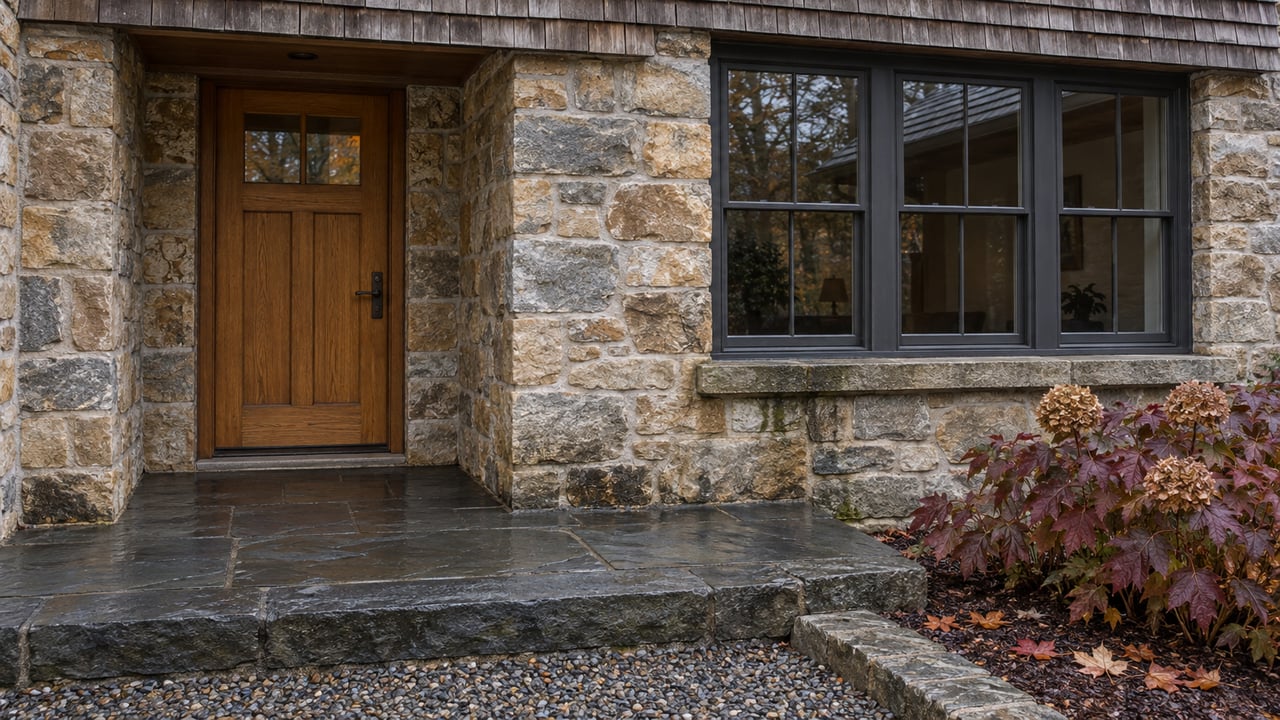
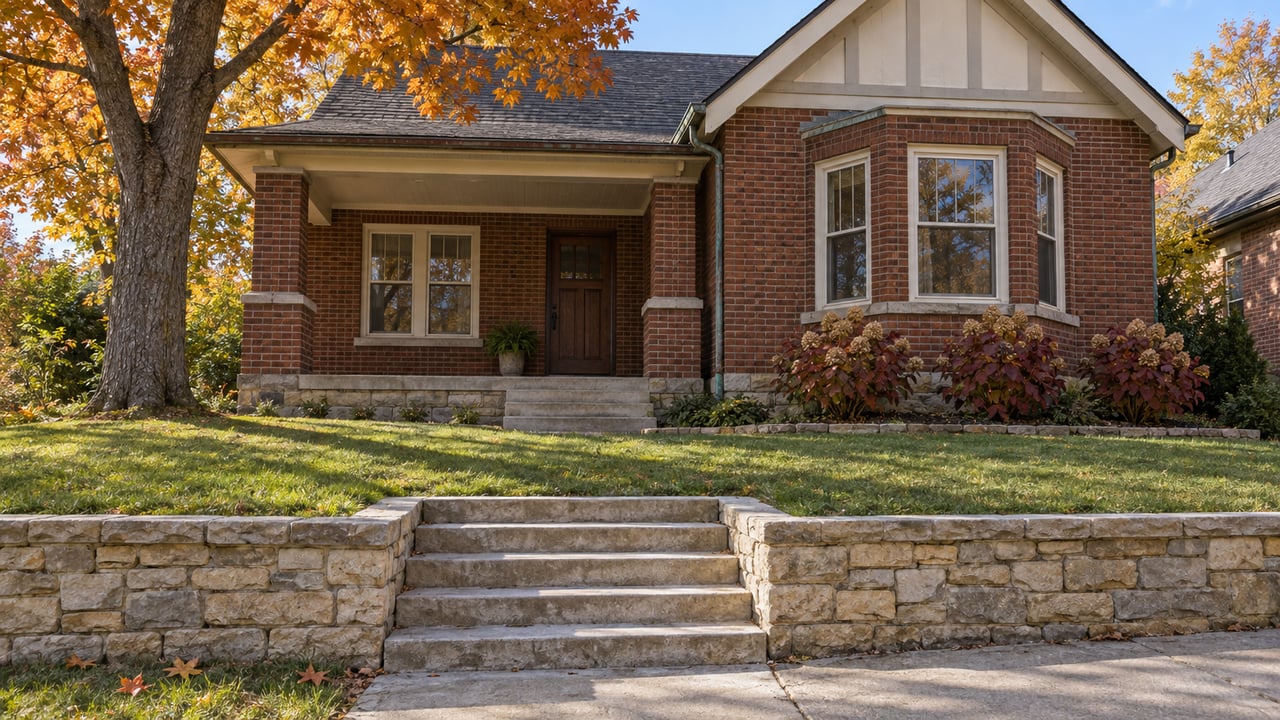
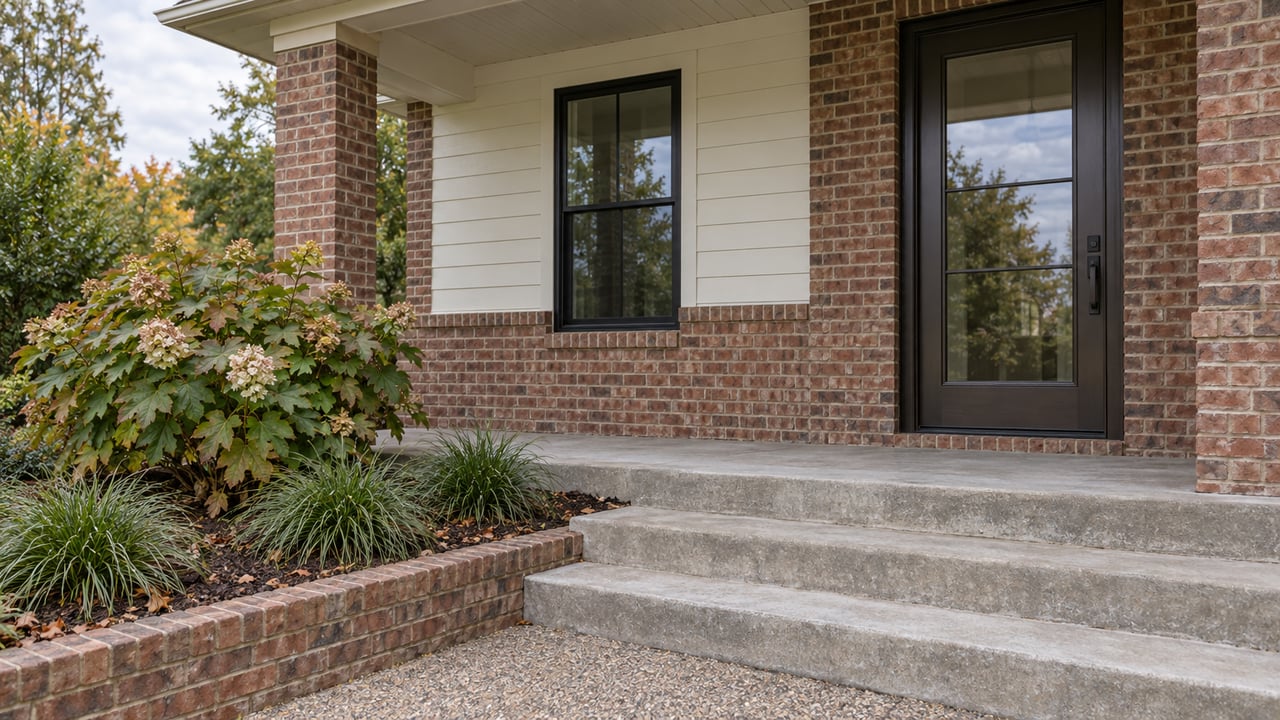
Before a buyer steps inside, they are already forming an opinion. On Signal Mountain, the lot often carries a lot of that first impression.
The town adopts the 2018 International Property Maintenance Code and separately treats weeds over one foot, inflammable debris, and dead timber as nuisance conditions. In simple terms, your exterior should look intentional, maintained, and safe.
Focus on visibility and upkeep
You do not need to strip the property bare to make it market-ready. In fact, Signal Mountain’s canopy and wooded character are part of the appeal.
A better goal is selective cleanup that improves light, shows the front elevation, and opens important sightlines. This can help buyers appreciate the home without losing the natural setting that makes the area special.
Consider these high-impact exterior tasks:
- Trim overgrowth around the entry and front walk
- Remove dead limbs, leaf piles, and visible yard debris
- Mow and edge the lawn
- Clear gutters and downspouts
- Make sure drainage paths stay open
- Prune carefully to reveal the facade or a view corridor
- Clean patios, porches, and outdoor seating areas
Be mindful of tree and debris rules
Signal Mountain maintains a Tree Board to help protect native trees and the town’s canopy. That is a good reminder to avoid aggressive clearing just to make the lot look bigger.
The town also has specific brush collection guidance. Brush collection runs year-round on a continuous route, leaf collection is seasonal, and brush must be cut into roughly 10-foot lengths no larger than 10 inches in diameter. Contractor-cut brush is not picked up by the town, so it is wise to plan cleanup early.
Pay attention to drainage
On a mountain lot, drainage is not a small detail. It is something buyers may notice quickly, especially after rain or when they see erosion, blocked culverts, or water stains.
Signal Mountain’s stormwater department manages runoff through culverts, ditches, detention ponds, and related drainage systems, and the town warns against yard debris blocking drainage. If your gutters overflow, your downspouts spill too close to the foundation, or leaves have built up in runoff paths, address that before listing.
What buyers may notice
Even if a drainage issue seems cosmetic to you, it can raise bigger questions for a buyer. Cleaning up these areas helps your home feel better maintained and can support smoother conversations during inspections.
Look closely at:
- Standing water after rain
- Erosion near walkways or slopes
- Overflowing or clogged gutters
- Downspouts that discharge too close to the home
- Debris in ditches, culverts, or drainage paths
- Musty areas in crawl spaces or lower levels
Check permits before starting repairs
It is tempting to squeeze in a few quick improvements before photos. But on Signal Mountain, many common exterior and home projects require permits.
According to the town, permits may be required for homes, garages, renovations, additions, decks, siding, windows, doors, roofing, fences, and pools. Sheds 144 square feet and larger also require permits.
Why this matters before listing
If you are thinking about replacing a door, repairing siding, adding a fence, or refreshing a deck, check permit requirements first. It is better to verify the rules now than create a paperwork problem right before closing.
This is also a good time to gather records for any past work. If you remodeled, replaced major systems, or made additions, buyers may ask for documentation.
Gather your records early
One of the easiest ways to reduce stress is to build your home file before your listing goes live. Tennessee’s Residential Property Disclosure Act requires most sellers of residential real estate to complete a disclosure statement.
State consumer guidance says sellers should disclose known structural or mechanical defects, environmental hazards, encroachments, flood or drainage problems, and remodeling done without permits or code compliance. The disclosure is not a warranty and does not replace professional inspections, but it does make your recordkeeping important.
What to pull together
Try to gather these items before your home hits the market:
- Receipts for repairs and maintenance
- Contractor invoices
- Warranties for appliances or systems
- Permit records for remodels or additions
- Roofing, HVAC, plumbing, or electrical service records
- Drainage or waterproofing documentation
- Septic or sewer-related records, if applicable
Having these ready can make disclosure forms easier to complete and can help you answer buyer questions with confidence.
Confirm sewer or septic details
This step is especially important if your home is not connected to sewer. The town’s new-resident information lists Hamilton County WWTA as the sewer provider, so sellers should confirm whether the property is on sewer or septic.
If the home is served by septic, Hamilton County Public Health is an important local resource. The county inspects mechanical household sewage treatment systems yearly and non-mechanical systems every five years, and it also offers a voluntary septic inspection service before purchase.
Should you inspect septic before listing?
For many sellers, the answer is worth considering. A pre-listing septic check can help surface issues early, before a buyer is under contract and working on a deadline.
At minimum, confirm the system type, locate any available records, and understand the current maintenance history. If questions come up later, you will be better prepared.
Consider a pre-listing inspection
A pre-listing inspection is not required, but it can be a smart move if you want fewer surprises. On Signal Mountain, common pre-listing concerns often include drainage, prior remodel paperwork, and septic questions.
A pre-listing inspection can help you identify issues while you still have time to decide what to repair, what to disclose, and how to price and position the home. It can also help you avoid feeling rushed once a buyer is already involved.
Stage for the way Signal Mountain buyers shop
Staging on Signal Mountain should support the home’s setting, not fight it. This is a market where outdoor living, wooded privacy, and natural light often matter.
The town highlights Rainbow Lake, Signal Point Park, the southern trailhead of the Cumberland Trail, about 18 miles of trails within town, and a historic district with period homes and summer cottages on tree-lined streets. It is also about ten miles from downtown Chattanooga, which adds convenience to the mountain lifestyle.
Show the mountain lifestyle
When preparing for showings and photos, think about what makes your property feel connected to place. Buyers may respond to spaces that help them imagine enjoying the setting every day.
A few examples include:
- Set up porches, decks, or patios as usable outdoor rooms
- Open curtains to bring in natural light and frame wooded views
- Keep windows spotless so sightlines feel crisp
- Remove extra furniture that blocks flow or focal points
- Highlight fireplaces, reading nooks, or rooms with a view
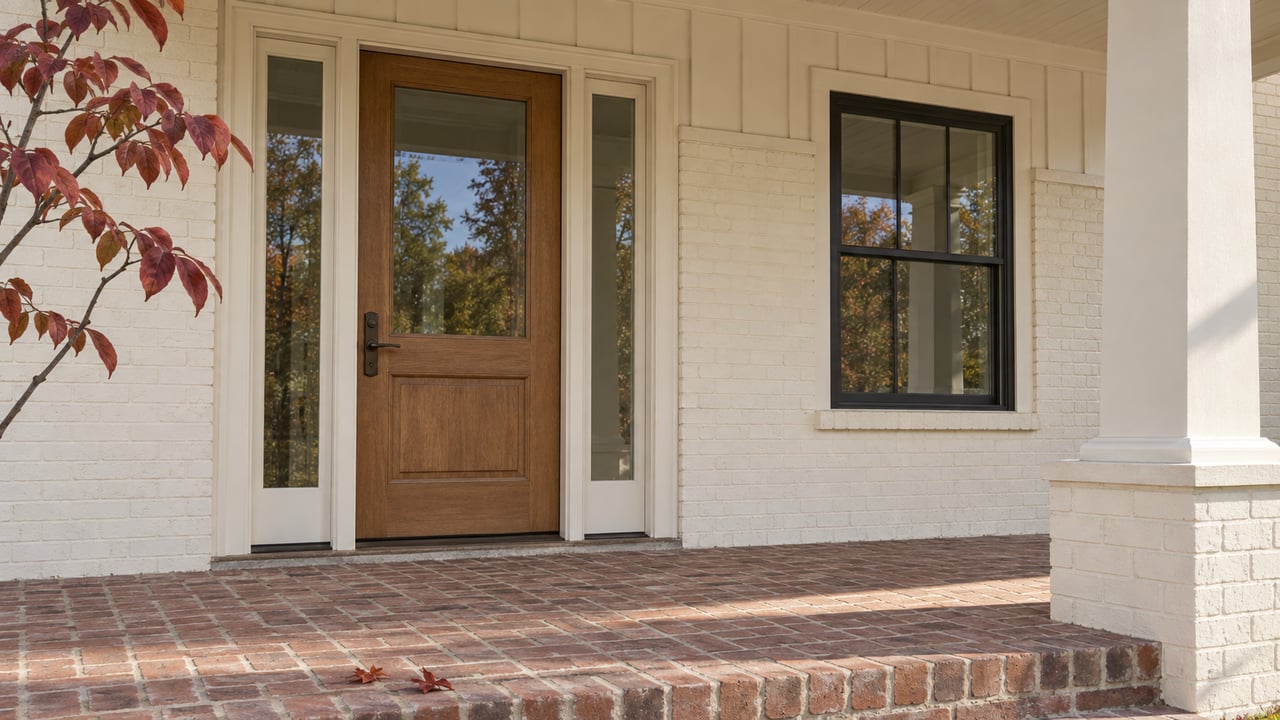
- Keep entry spaces simple, bright, and welcoming
Let character come through
If your home has period details, cottage charm, or a distinctive architectural style, let that personality show. Clean presentation usually works better than over-staging.
On historic or character-rich homes, buyers often appreciate original details when they are well maintained and easy to see. The goal is clarity, not clutter.
Plan photos around your strongest features
Photography should do more than document the house. It should tell the right story.
For Signal Mountain listings, that story may include wooded privacy, outdoor living, tree-lined streets, view corridors, and the home’s relationship to the surrounding landscape. If your property has seasonal views, a particularly inviting porch, or a striking approach from the street, those features should be part of the visual plan.
Before photo day
Use this simple checklist:
- Clear cars from the driveway
- Hide trash cans and yard tools
- Sweep porches and walkways
- Remove hoses and visible clutter
- Touch up mulch only if it looks natural and tidy
- Clean all glass and mirrors
- Replace burned-out bulbs
- Turn on interior lighting for a warm, even look
A simple pre-listing plan for Signal Mountain
If you want a clear path forward, keep it simple. The strongest listing launches are usually the most organized ones.
Here is a practical order of operations:
- Clean up the lot and exterior
- Address drainage and gutter issues
- Verify permits for any planned repairs or past projects
- Gather receipts, warranties, and contractor records
- Confirm whether the home is on sewer or septic
- Consider a pre-listing inspection if questions exist
- Stage to highlight light, views, privacy, and outdoor living
- Prepare for photography with a focus on the mountain setting
This kind of preparation helps your home feel cared for, credible, and ready for market. It also gives buyers fewer reasons to hesitate.
If you are planning to sell on Signal Mountain, a calm, structured prep process can make a real difference. For tailored guidance on timing, presentation, and positioning, connect with The Gideon Group - Michelle Johann.
FAQs
What should sellers fix before listing a home on Signal Mountain?
- Focus first on exterior cleanup, drainage, gutters, overgrowth, visible deferred maintenance, and any known issues that could come up in disclosure or inspection.
Do Signal Mountain home projects require permits before listing?
- Many do. The town requires permits for a range of common projects, including renovations, decks, siding, windows, doors, roofing, fences, pools, and some sheds, so it is smart to verify before starting work.
What do Tennessee sellers need to disclose when selling a home?
- Most sellers must complete a residential property disclosure form covering known defects or conditions such as structural or mechanical issues, environmental hazards, encroachments, drainage concerns, and unpermitted remodeling.
Should sellers inspect a septic system before listing a Signal Mountain home?
- If the property uses septic, it can be helpful to review maintenance records and consider a pre-listing inspection so you can identify issues early and prepare accurate documentation.
How should you stage a Signal Mountain home for photos and showings?
- Emphasize natural light, outdoor living areas, wooded privacy, views, and architectural character while keeping spaces clean, simple, and easy for buyers to understand.