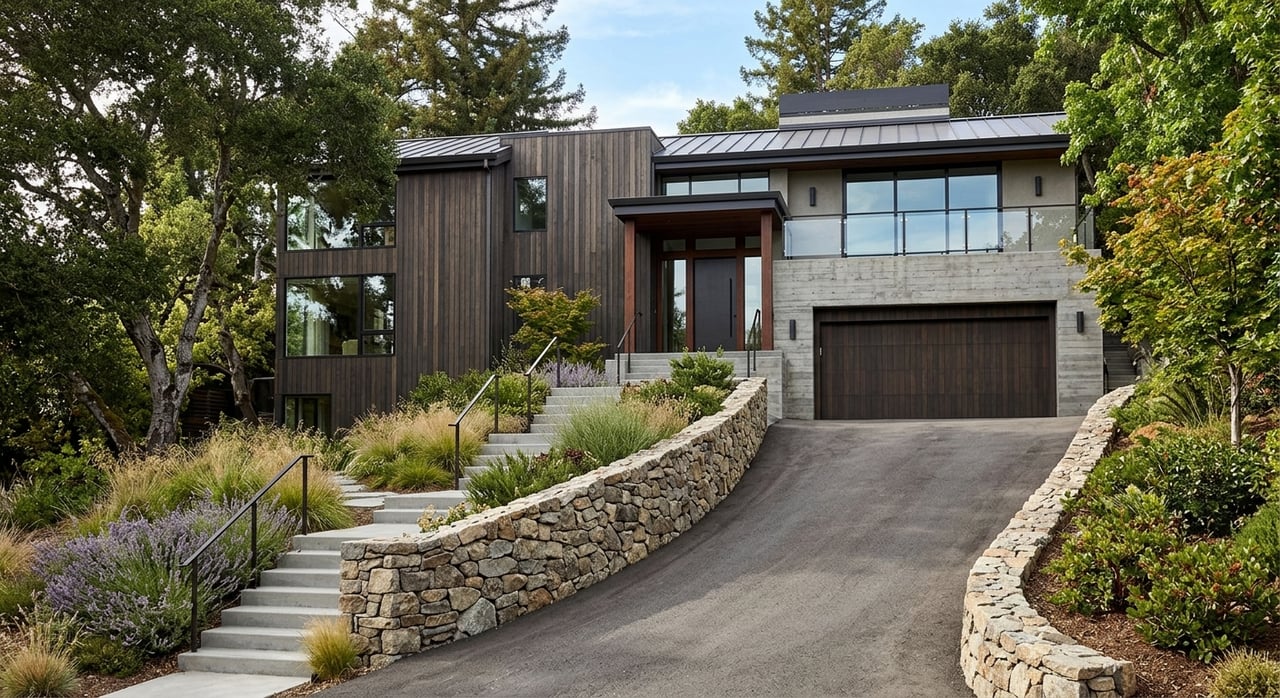
Trying to choose between Signal Mountain and Chattanooga’s valley neighborhoods? You are not picking a “better” area so much as choosing the lifestyle, home style, and daily rhythm that fit you best. If you are weighing privacy, outdoor access, commute patterns, and price, this guide will help you compare the trade-offs with more clarity. Let’s dive in.
Signal Mountain vs Valley Living
Signal Mountain and Chattanooga’s valley neighborhoods serve different priorities. Signal Mountain is a mountain-top community northwest of Chattanooga with a more small-town feel, abundant outdoor access, and a housing pattern that is mostly low-density and single-family.
Off-mountain areas in Chattanooga tend to feel more urban, historic, and convenience-focused. In selected neighborhoods, you may find walkable districts, riverfront access, and a broader mix of housing types.
For many buyers, the decision comes down to one key question: do you want an outdoors-first, quieter setting, or do you want easier access to downtown, greenways, and daily conveniences?
Outdoor Access and Lifestyle
Signal Mountain favors trails and privacy
If your ideal weekend starts on a trail instead of in traffic, Signal Mountain may feel like a natural fit. Signal Point overlooks the Tennessee River and serves as an access point for the Cumberland Trail, giving the area a strong connection to outdoor recreation.
Signal Mountain also offers major local park assets. Walden’s Ridge Park includes 200 acres and more than ten miles of trails for hiking, mountain biking, trail running, and bouldering, while Shackleford Ridge Park adds soccer fields and about three miles of woodland trails.
In practical terms, Signal Mountain often appeals to buyers who want more separation, a quieter pace, and easy access to nature close to home.
Valley neighborhoods favor parks and urban access
If you want a lifestyle that blends outdoor time with city convenience, Chattanooga’s valley neighborhoods may be a better match. The city reports more than 70 neighborhood and community parks, which gives you a broad range of recreation options across the metro area.
The Tennessee Riverpark is a standout feature. It is a 13-mile paved greenway connecting downtown Chattanooga to Chickamauga Dam and Historic St. Elmo, with trailheads, bike stations, paddling, fishing, and wildlife access.
That creates a different kind of outdoor lifestyle. Instead of a mountain-top trail setting, you may get easier access to paved greenways, riverfront recreation, and neighborhoods that connect more directly to city amenities.
Home Styles and Neighborhood Feel
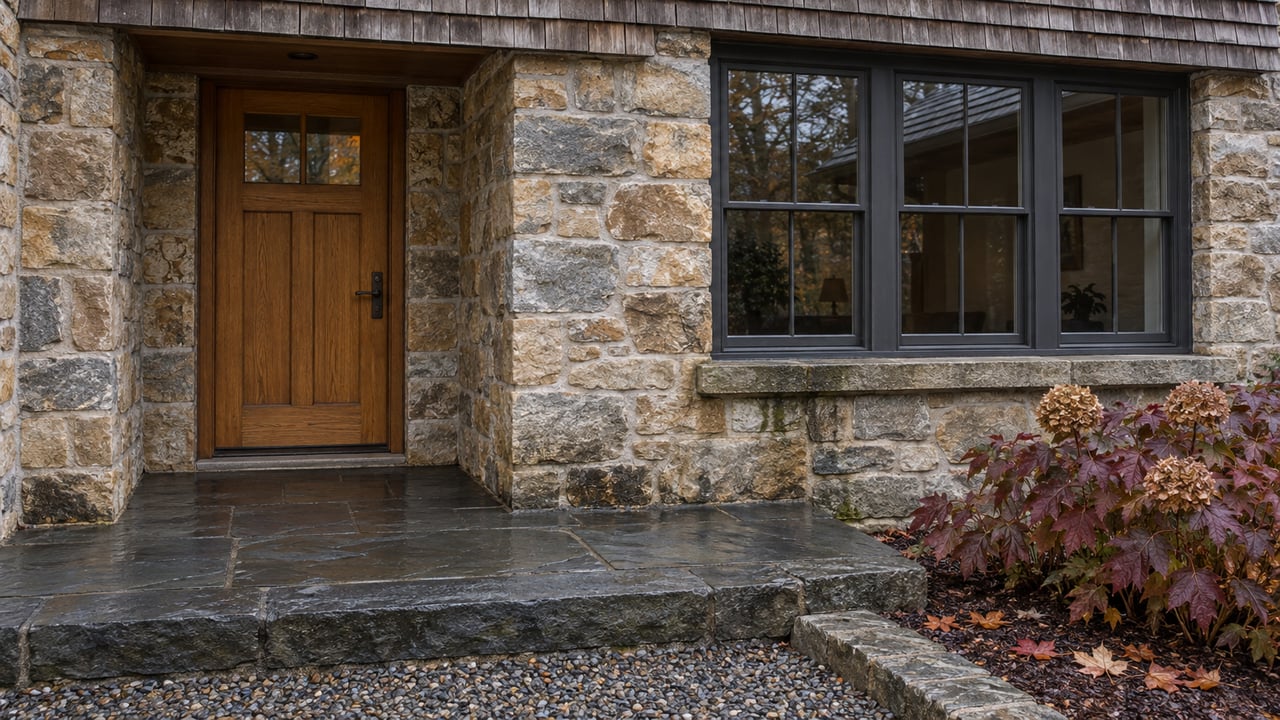
Signal Mountain leans detached and low-density
Signal Mountain’s land-use plan describes the town as primarily single-family and low-density. While townhouses and a few multifamily projects have been added over time, the area is still defined mostly by detached homes.
Lot sizes also tend to support that lower-density feel. The plan notes that single-family lots range from about one-quarter to one-third acre in Old Towne, roughly one-half to one acre in newer subdivisions, and even larger rural lots in the Shackleford Ridge Road area.
If you are looking for a detached home, more yard space, and a setting that feels less built-up, Signal Mountain may align well with your search.
Valley neighborhoods offer more variety
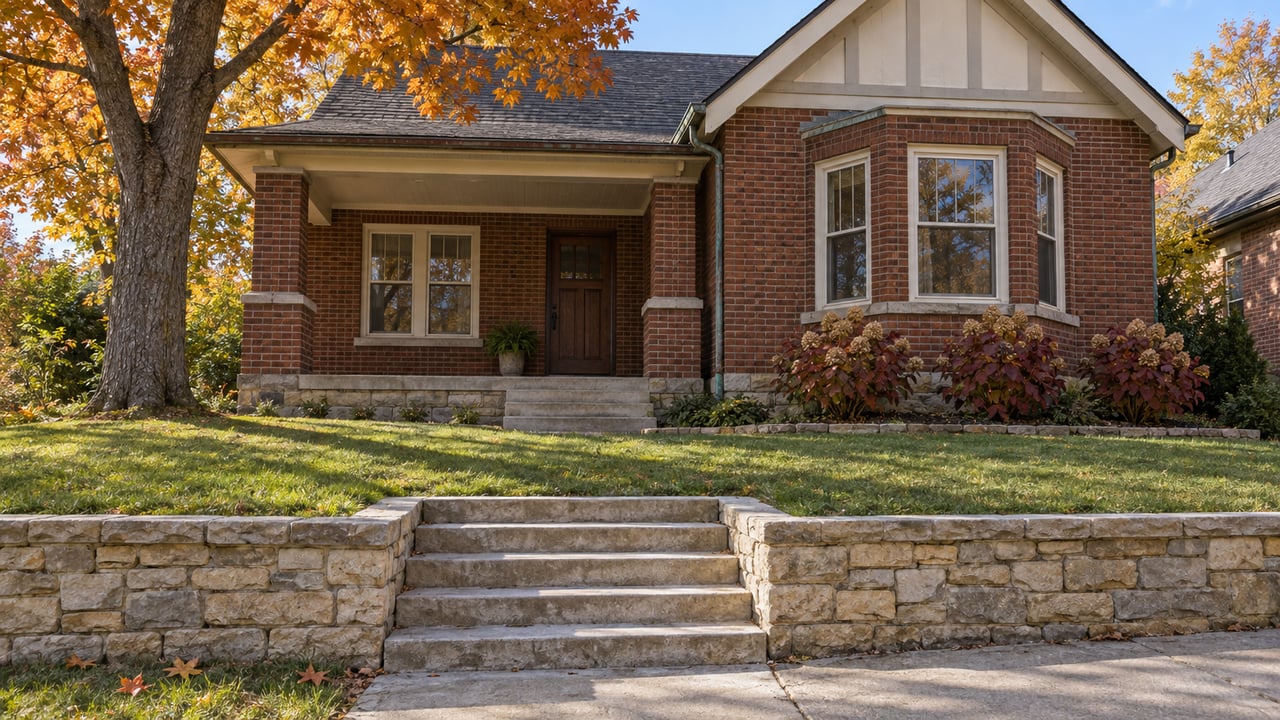
Off the mountain, Chattanooga neighborhoods tend to offer a wider mix of architecture and housing types. The city identifies local historic districts including St. Elmo, Fort Wood, Battery Place, and Ferger Place, and the St. Elmo guidelines reference house forms such as Queen Anne, Craftsman/Bungalow, Tudor Revival, and Ranch.
Chattanooga’s housing plan also discusses soft-density housing such as townhomes, duplexes, quadplexes, and accessory dwelling units, especially near main transit corridors and neighborhood nodes. That points to more variety in the types of homes you may find off the mountain.
For buyers, that often means more options to compare. You may see older homes, renovated homes, attached housing, and smaller-lot properties in ways that are less common on Signal Mountain.
Commute and Day-to-Day Convenience
Signal Mountain has a more route-dependent commute
Commute patterns matter, especially if you are relocating and still learning the area. Signal Mountain’s strategic plan identifies State Route 8 and Highway 127 as the mountain access route and notes the need for safety improvements and better access.
The plan also states that the roadbed can wash out during heavy rains and that losing the roadway would eliminate commercial access to the mountain. That does not mean the commute is unworkable, but it does mean daily travel is more dependent on a key access route than in many off-mountain locations.
If you value planning and predictability, this is one of the most important factors to weigh carefully.
Valley neighborhoods make daily movement easier
Chattanooga sits at the junction of four interstate highways and also has a downtown shuttle fleet. That setup generally supports easier cross-city movement than a mountain-top setting.
For many buyers, that translates into simpler daily logistics. If you want easier access to downtown dining, riverfront activities, errands, or commuting corridors, valley neighborhoods often have the advantage.
This can be especially important if you are balancing work, appointments, and a busy household schedule. Convenience is not everything, but it can shape how a home feels over time.
Price Patterns and Market Positioning
Signal Mountain sits in a higher price tier
According to Greater Chattanooga REALTORS’ April 2026 local submarket report, Signal Mountain posted a median sales price of $598,450 for April and $634,000 year-to-date. The same report showed 47 homes for sale and 2.5 months of supply.
That data suggests Signal Mountain generally sits in a higher price band than many off-mountain options. It is also worth noting that the report cautions that percentage changes can look extreme in smaller sample sizes.
Valley pricing varies more widely
In that same April 2026 report, several off-mountain submarkets came in lower than Signal Mountain. Red Bank showed a median sales price of $362,500, Hixson $425,000, East Brainerd $335,000, and St. Elmo / High Park / Avondale $228,000.
These are broader submarket clusters, not exact neighborhood-to-neighborhood comparisons. Still, they give you a useful directional view: valley options often provide a wider spread of price points, depending on housing type, location, and age of the home.
If budget flexibility matters, off-mountain neighborhoods may open up more paths. If your priority is the mountain setting itself, you may decide the premium is worth it.
How to Decide What Fits You Best
The best choice usually becomes clearer when you focus on how you live, not just what looks appealing in photos. Start by thinking through your daily routine, your housing priorities, and what trade-offs you are comfortable making.
Here is a simple way to frame it:
Signal Mountain may fit if you want:
- A mountain-top setting
- Easy access to trails and outdoor recreation
- More privacy
- Larger lots
- A quieter, lower-density environment
- A detached-home focused search
Valley neighborhoods may fit if you want:
- Easier access to downtown Chattanooga
- Proximity to the riverfront and greenways
- More walkable or urban-adjacent areas
- A wider range of home styles
- More varied housing types
- More price-point flexibility across neighborhoods
A Long-Term View Matters Too
Both areas reflect different planning priorities. Signal Mountain’s strategic plan emphasizes infrastructure, access along SR 8/127, and affordable-housing capacity, while Chattanooga’s housing plan is pushing for more housing diversity near transit corridors and neighborhood nodes.
For you as a buyer, that points to a long-term contrast. Signal Mountain leans toward preserving mountain character, while Chattanooga’s off-mountain planning signals more flexibility in housing types over time.
Neither approach is automatically better. The right fit depends on whether you want a setting defined more by space and mountain character or by accessibility and a broader mix of housing choices.
The Bottom Line for Buyers
If you want the outdoors-first, larger-lot, mountain-top version of Chattanooga living, Signal Mountain is usually the cleaner fit. If you want easier access to downtown amenities, more varied housing options, and a neighborhood search with broader price bands, valley neighborhoods are often the better lane to explore.
If you are relocating, moving up, or narrowing your options from out of town, having a structured comparison can save you time and stress. The Gideon Group® - Michelle Johann offers concierge-level guidance to help you compare neighborhoods, plan your search, and move with more confidence.
FAQs
What is the main difference between Signal Mountain and Chattanooga valley neighborhoods?
- Signal Mountain is generally more mountain-top, low-density, and single-family in character, while valley neighborhoods tend to offer more urban convenience, more housing variety, and easier access to downtown and the riverfront.
Are Signal Mountain homes usually on larger lots?
- Yes. Signal Mountain’s land-use plan notes lot sizes ranging from about one-quarter to one-third acre in Old Towne, about one-half to one acre in newer subdivisions, and larger rural lots in some areas.
Is Signal Mountain better for outdoor access?
- It depends on the kind of outdoor access you want. Signal Mountain stands out for trails, overlooks, and mountain recreation, while valley neighborhoods offer strong access to city parks and the 13-mile Tennessee Riverpark greenway.
Are Chattanooga valley neighborhoods more convenient for commuting?
- In general, yes. Chattanooga’s access to four interstate highways and a downtown shuttle fleet supports easier cross-city movement, while Signal Mountain depends more heavily on its main mountain access route.
Are homes on Signal Mountain more expensive than valley options?
- Often, yes. In the April 2026 Greater Chattanooga REALTORS’ local submarket report, Signal Mountain’s median sales price was higher than several off-mountain submarkets, though valley pricing varies widely by area and housing type.
Which option is better for relocation buyers moving to Chattanooga?
- The better fit depends on your priorities. If you value privacy, larger lots, and trail access, Signal Mountain may be a strong match. If you need easier daily logistics, downtown access, and more housing variety, valley neighborhoods may make more sense.